
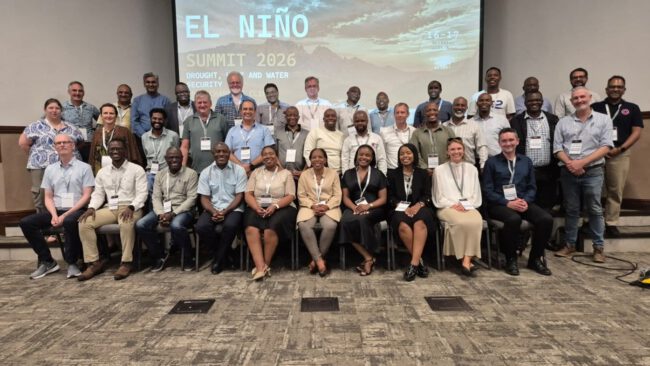
El Niño Summit 2026: Day Zero stress test for the Vaal River System
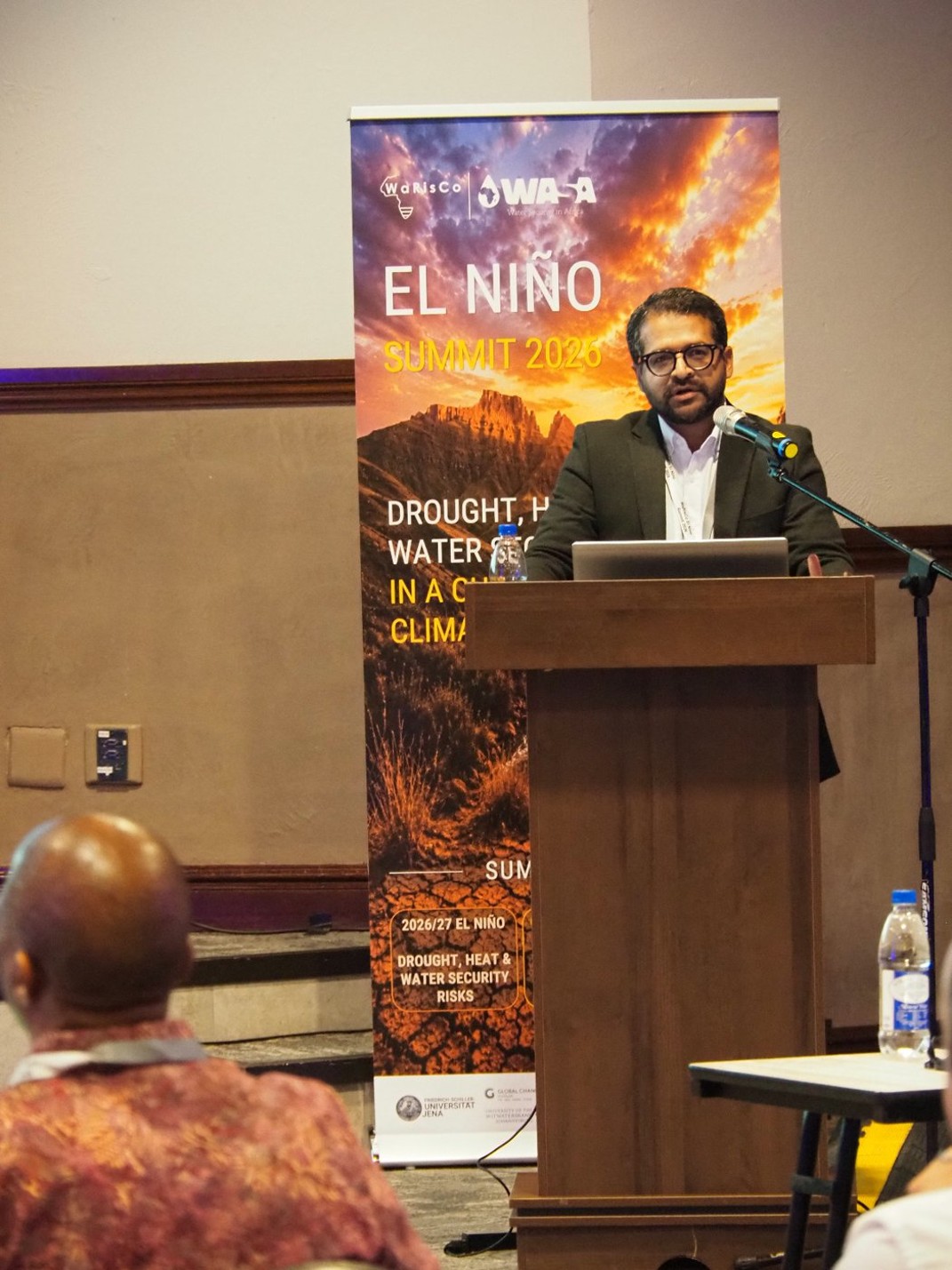
At the El Niño Summit 2026 in the Central Drakensberg, SYDRO Consult presented how often the Integrated Vaal River System could reach Day Zero conditions in a warmer future – and what this means for water managers today.
On 16 and 17 November 2026, the WaRisCo project and the South African Department of Water and Sanitation (DWS) convened the El Niño Summit 2026 at the Champagne Sports Resort in the Central Drakensberg. Under the theme “Drought, Heat and Water Security in a Changing Climate”, representatives of 18 institutions met: national and provincial government departments, the National Disaster Management Centre, water utilities such as Rand Water and uMngeni-uThukela Water, the City of Johannesburg and eThekwini Municipality, the Water Research Commission, the World Bank, research institutions and international partners.
Day 1 focused on the current, exceptionally strong El Niño. Sea-surface temperatures in the eastern tropical Pacific are more than 3 °C above normal, and a hot, dry summer is likely for much of South Africa. Day 2 addressed the climate risks of the coming decades and adaptation options. In breakout groups and a panel discussion, participants identified priorities for preparedness, from drought triggers and early warning to asset management and communication across all spheres of government.
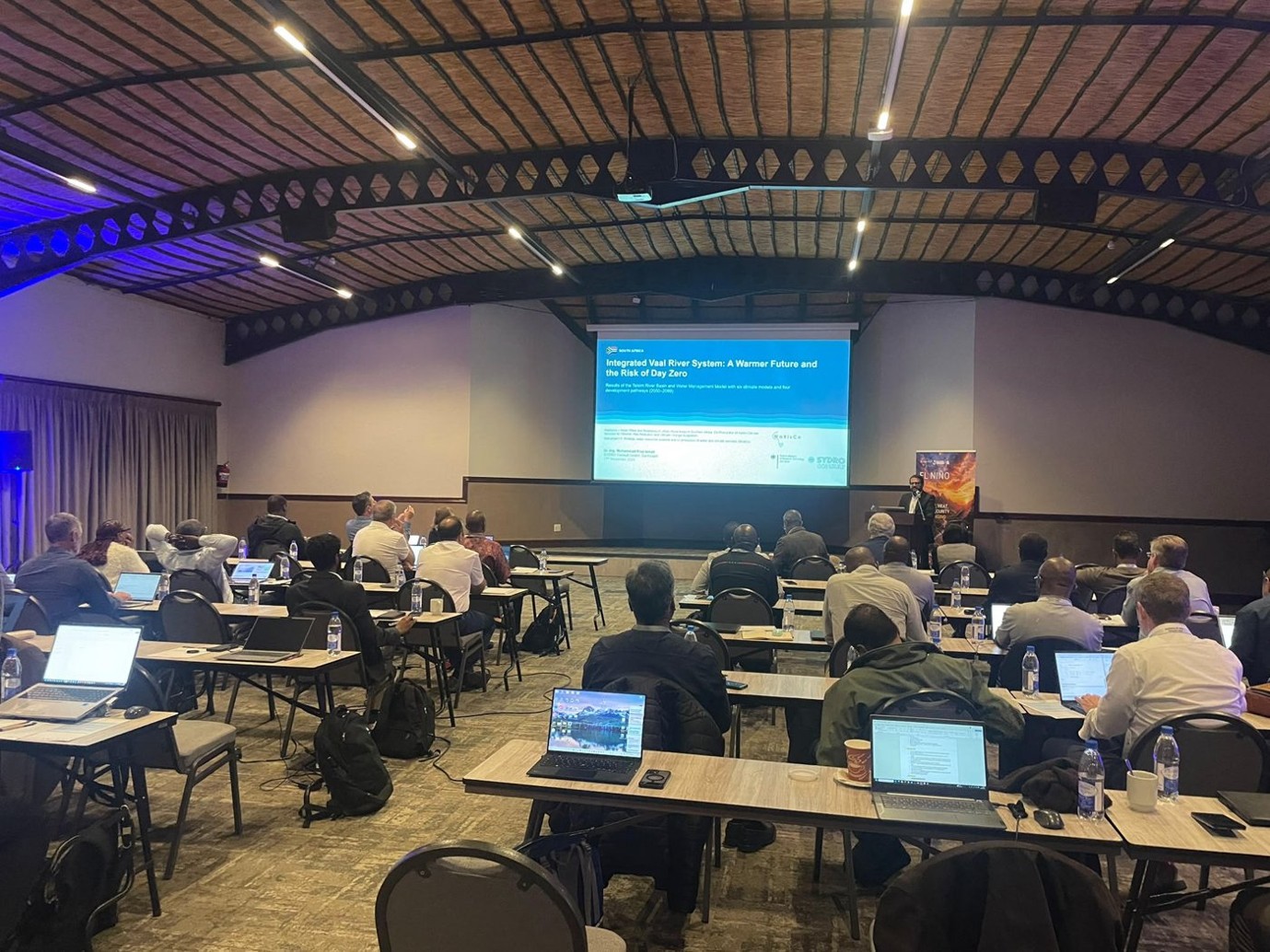
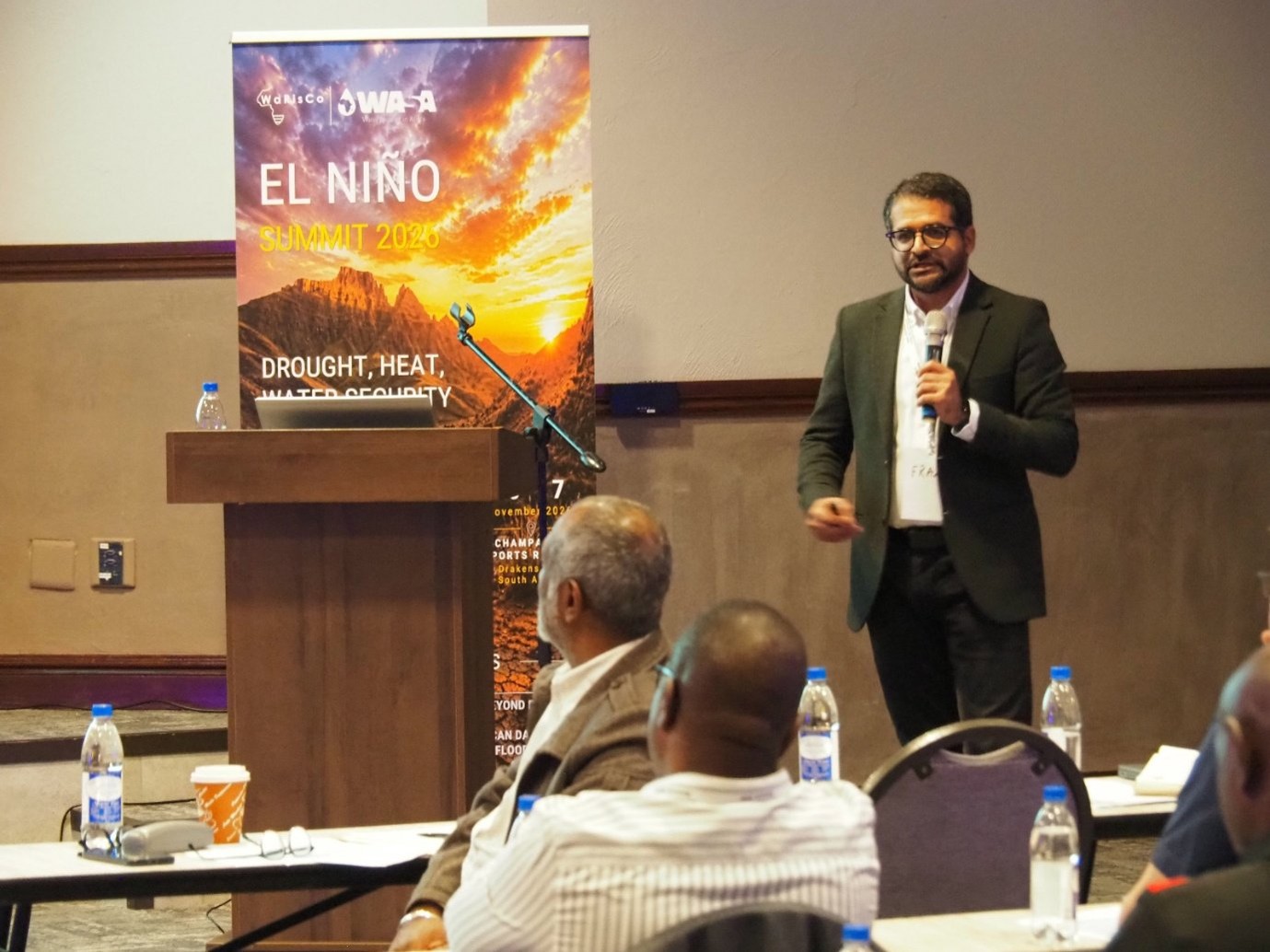
In the session on future hydroclimatic risks, Dr.-Ing. Muhammad Fraz Ismail of SYDRO Consult presented a Day Zero stress test for the Integrated Vaal River System, which supplies Gauteng. The analysis uses SYDRO’s Talsim river basin and water management model of the system, with its eight major dams and inter-basin transfers, driven by six bias-corrected regional climate projections. Day Zero is defined as Vaal Dam at 18 % of capacity, the level at which Rand Water can no longer abstract.
The discussion gave valuable direction for the next steps: participants asked for system-wide storage indicators, demand-management scenarios and realistic operating rules for Polihali. The next model version will include these, along with kilometre-scale climate data. The summit resolved to form a reference group and a core working group and to prepare a joint position paper.
About WaRisCo
WaRisCo is led by Friedrich Schiller University Jena and the Global Change Institute at the University of the Witwatersrand and is part of the Water Security in Africa (WASA) programme, funded by the German Federal Ministry of Research, Technology and Space (BMFTR) and the Water Research Commission (WRC) of South Africa. More information about the project is available here.